
HYMN DAY! In our hymnbook, not all the verses are included for “At the Name of Jesus” by Caroline Noel, but I’m sharing all of them with you. I love the story they tell. And verse 6 makes me want to shout with joy! 1 At the name of Jesus…

HYMN DAY! In our hymnbook, not all the verses are included for “At the Name of Jesus” by Caroline Noel, but I’m sharing all of them with you. I love the story they tell. And verse 6 makes me want to shout with joy! 1 At the name of Jesus…
Peter was a fiery preacher, and he wanted everyone to acknowledge that Jesus was the promised Messiah. On this particular day (the day of Pentecost), he was preaching to a predominantly Jewish audience. They’d been waiting a long time for the promised Messiah, therefore Peter’s words had to have caught…
This statement was spoken by Peter on the day of Pentecost, when the Holy Spirit descended on those who believed Jesus was the Christ. Peter had seen with his own eyes the risen Christ, so he could testify to it. Sometimes I wish I could have lived when Jesus lived.…
Here, in a nutshell, is how sin creeps in and takes control. First, Eve saw that the tree was good. Of course it was; God had made it! But He’d also said don’t eat of it. So goodness wasn’t the issue; following God’s instruction was the issue. Second, the fruit…
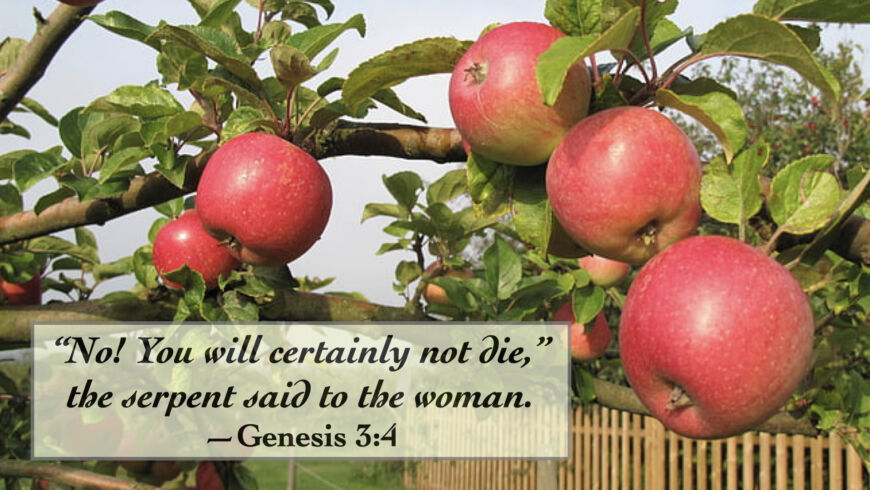
Boy, that serpent was brazen! It directly contradicted God’s Word. We might think the serpent was right, because we know that Eve and Adam didn’t immediately experience physical death after tasting the fruit. But spiritually? Oh my, what a change it brought. It led to the spiritual death. A lot…
HYMN DAY! “When We Walk With the Lord,” better known as “Trust and Obey,” was written by John H. Sammis in 1887. The words of this hymn are as true today as they were then. “What He says we will do…” That’s a commitment we’ll never regret. 1 When we…
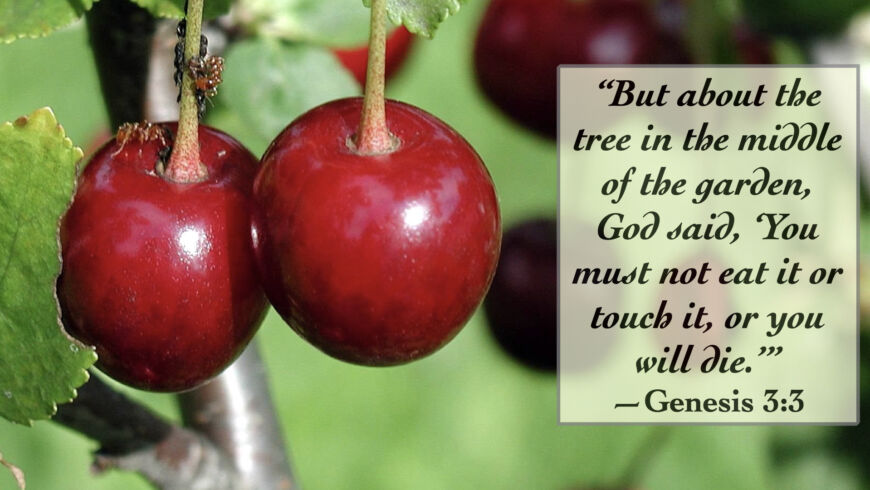
Interestingly enough, Eve didn’t seemed intimidated by the presence of the serpent, nor surprised that it spoke. And she was ready with an answer to its query about the tree of the knowledge of good and evil. She clarified that God had told them they could eat from any tree…
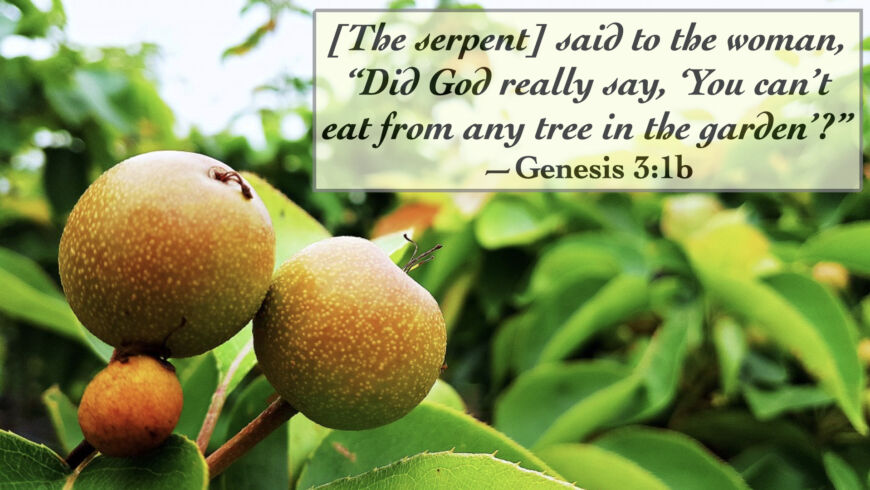
Genesis 1:1 begins the creation story. The Bible tells us that everything God made was good. But now a tempter enters the Garden of Eden…and he was cunning. He doesn’t come right out and challenge God’s word, but he casts doubt: “Did God really say…?” And then he misrepresents God’s…
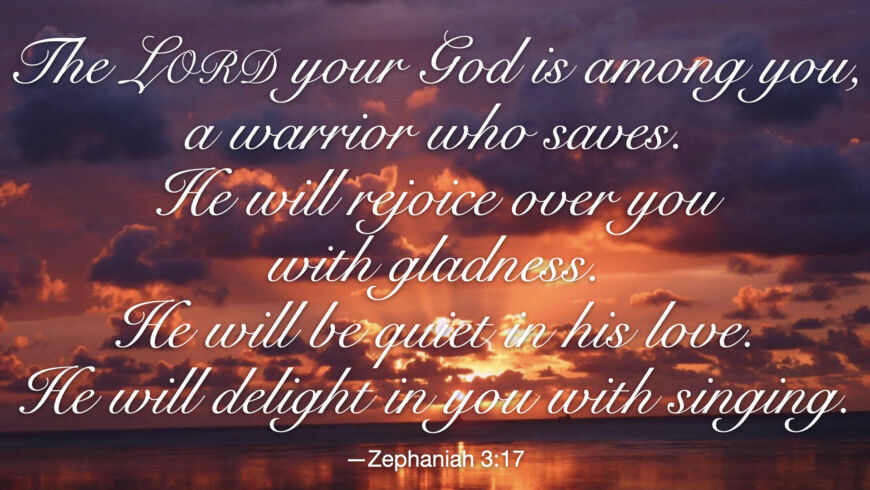
I warned my class I might get weepy as we got to this section. These word pictures pierce my heart in all the best ways. Read these words out loud: My God is with me. My God saves me. My God rejoices over me with gladness. My God delights in…
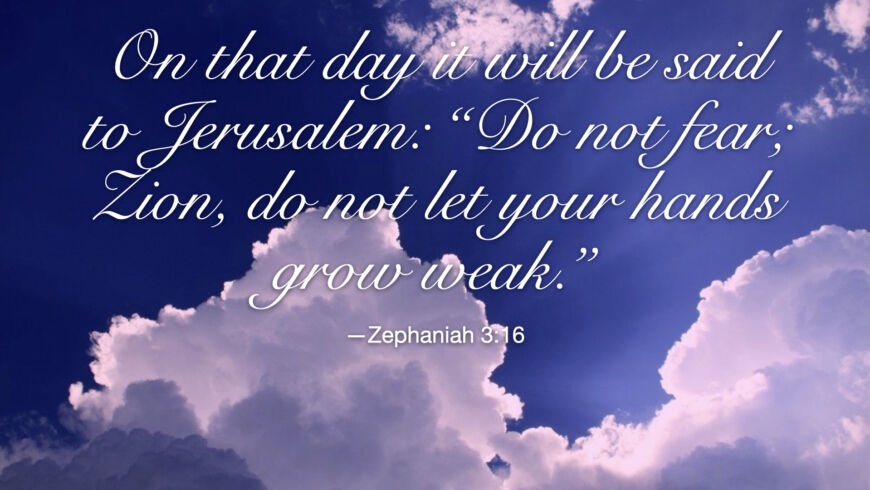
Zephaniah was still looking ahead to a glorious day when God would bless His followers. All fear is gone! The instructed, “do not let your hands grow weak,” paints a unique picture. Have you ever thrown your hands in the air and declared, “I give up!” After those words, our…